How to Choose the Best Gaming Platform for Your Needs
Choosing the best gaming platform can be confusing, especially with so many options available today. From powerful gaming PCs and popular consoles to smartphones and cloud gaming services, each platform offers a different experience. Some players prioritize graphics and performance, while others care more about affordability, portability, or playing with friends.
So, how do you choose the best gaming platform for your needs? The answer depends on your budget, gaming habits, favorite genres, and expectations. This guide explains the key factors to consider before investing in a gaming platform.
1. Understand the Different Gaming Platforms
Before making a decision, understand what each platform offers.
PC Gaming: Gaming computers provide flexibility, customization, and access to a wide range of games. You can upgrade components, adjust graphics settings, and use a keyboard, mouse, or controller. PC gaming is popular among competitive players and people who enjoy strategy, simulation, and demanding games.
Console Gaming: PlayStation, Xbox, and Nintendo systems offer dedicated gaming experiences. Consoles are generally easier to set up than gaming PCs, and their hardware is designed to work with supported games. They are a good option for players who want a straightforward experience.
Mobile Gaming: Smartphones and tablets make gaming accessible almost anywhere. Many mobile games are free to download, and you do not need a separate gaming device if you already own a suitable phone.
Handheld Gaming: Devices such as the Steam Deck and Nintendo Switch combine portability with dedicated gaming controls. They are useful for people who want to play games away from a traditional desk or television.
Cloud Gaming: Cloud gaming services stream games over the internet instead of running them entirely on your local hardware. This can reduce the need for an expensive gaming computer or console, but performance depends heavily on internet speed, latency, service availability, and subscription costs.
2. Set Your Gaming Budget
Your budget is one of the most important factors when choosing a gaming platform.
A smartphone you already own may be enough to start mobile gaming. Consoles usually have a more predictable upfront cost, while a capable gaming PC can require a larger investment in hardware and accessories.
Remember that the purchase price is not the only expense. Consider:
- Games and digital downloads
- Online multiplayer subscriptions, where required
- Controllers, keyboards, mice, and headsets
- Monitors or televisions
- Storage upgrades and replacement hardware
- Internet and cloud gaming subscriptions
Do not spend more than necessary just to get the most powerful device. Choose hardware that matches the games you actually plan to play.
3. Consider the Games You Want to Play
Not every game is available on every platform. This is one of the biggest reasons to research before buying.
For example, competitive PC games such as Counter-Strike 2 and Dota 2 are strongly associated with PC gaming. Console players may prefer titles such as Gran Turismo 7 or games designed around PlayStation and Xbox experiences. Mobile games such as PUBG Mobile and Mobile Legends: Bang Bang are built specifically for smartphones.
Some games support cross-platform play, allowing players on different devices to compete or cooperate. However, cross-play is not universal.
Tip: Make a list of five to ten games you want to play. Check their supported platforms before purchasing a device.
4. Compare Performance and Graphics
If graphics quality and smooth performance matter to you, compare the hardware capabilities of each platform.
A powerful gaming PC can offer high frame rates, detailed graphics, and adjustable settings. However, performance depends on the processor, graphics card, memory, cooling, and the game itself.
Modern consoles offer optimized gaming experiences without requiring players to choose individual components. Mobile devices have improved significantly, but performance still varies considerably between budget and premium smartphones.
Remember that higher specifications do not automatically mean a better experience. A stable frame rate, responsive controls, and enjoyable gameplay are often more important than maximum graphics settings.
5. Think About Portability and Convenience
Where and when you play should influence your decision.
If you travel frequently or enjoy gaming during short breaks, mobile gaming or a handheld device may be the best choice. Smartphones are particularly convenient because they fit into everyday life.
If you prefer playing at home on a large screen, a console or desktop gaming PC may be more suitable. Gaming laptops offer a middle ground, combining PC flexibility with greater portability, although they can cost more than comparable desktop systems.
Think about your daily routine rather than choosing a platform based only on specifications.
6. Choose Controls That Feel Comfortable
Controls can significantly affect your gaming experience.
Keyboard and mouse combinations offer precise aiming and convenient shortcuts in many shooting and strategy games. Controllers are often comfortable for racing, sports, fighting, and action games.
Mobile gaming relies mainly on touchscreen controls, although some games support external controllers. Handheld devices provide built-in controls designed for portable play.
Whenever possible, try different control methods before making a purchase. Comfort matters, especially during longer gaming sessions.
7. Check Online Features and Community
If you enjoy multiplayer gaming, investigate the online ecosystem before choosing a platform.
Look at server availability, matchmaking, voice chat, cross-play support, parental controls, and subscription requirements. Also consider where your friends play. Joining the same platform can make multiplayer gaming much easier.
PC, console, and mobile communities can differ significantly depending on the game. A platform with a large active community for your favorite title may provide a better experience than one with more powerful hardware but fewer players.
8. Think About Long-Term Value
A gaming platform should suit your needs beyond the first few months.
PCs offer component upgrades, which can extend their useful life, although upgrades can be expensive. Consoles provide a more standardized experience throughout their generation, but eventually newer hardware replaces older systems. Smartphones and handheld devices also have practical performance and battery-life limits.
Consider game availability, future compatibility, repair costs, storage, and the total cost of ownership before deciding.
Conclusion
Choosing the best gaming platform for your needs is not about buying the most expensive or powerful device. It is about finding the right balance between budget, performance, game selection, convenience, and personal preference.
A gaming PC may suit players who value customization and performance. Consoles are excellent for straightforward home gaming, while smartphones and handheld devices offer portability. Cloud gaming can be useful when compatible services and reliable internet are available.
Take time to compare your options, check the games you want to play, and consider your long-term budget. 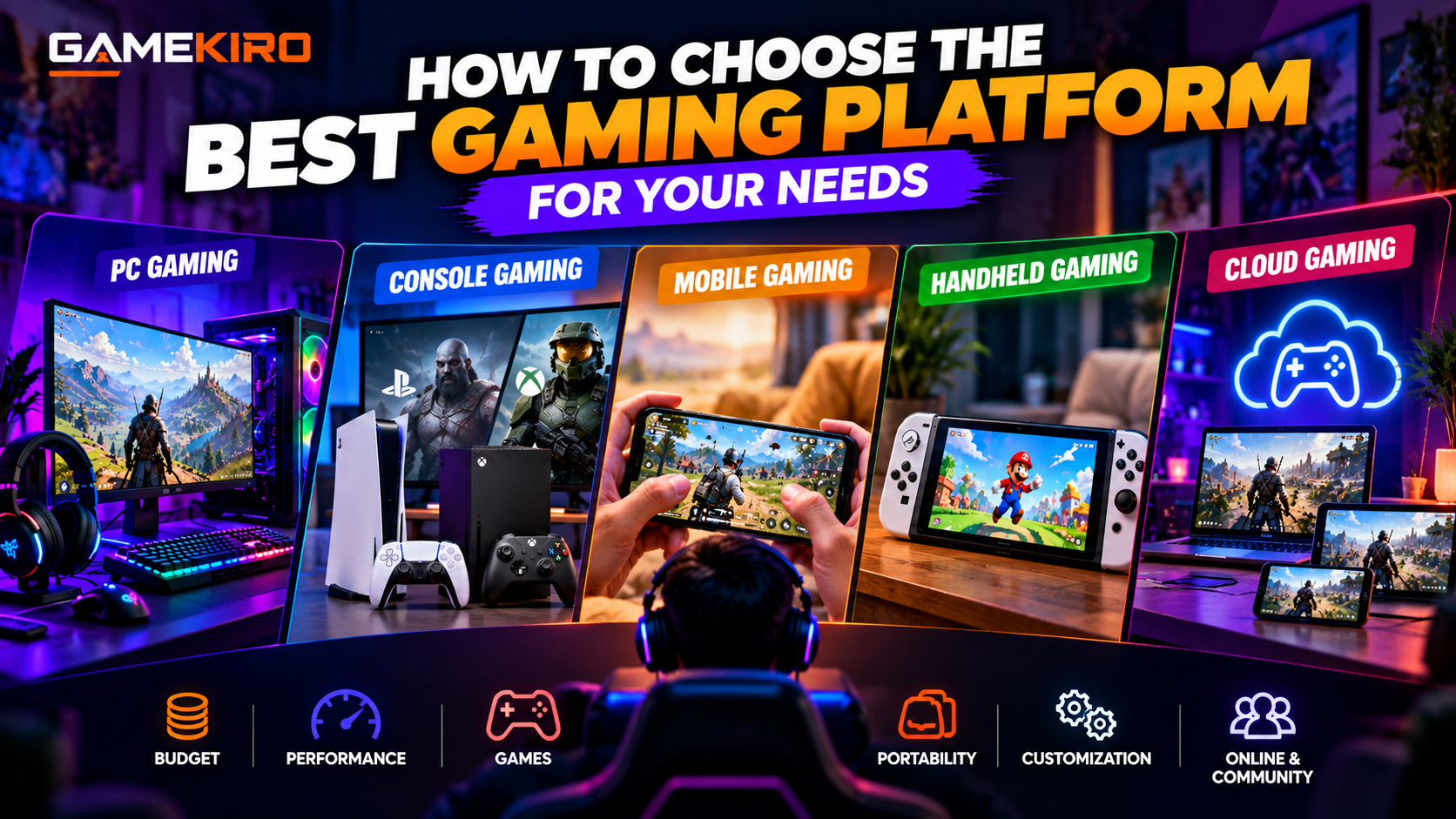 The best gaming platform is ultimately the one that fits your lifestyle and makes gaming enjoyable.